Soil vs Dirt: Why Soil Biology Matters for Wicking Beds

Older soil science focused on sand, silt, clay, and nutrients like NPK. Modern soil science adds the missing piece: biology. Biology is…
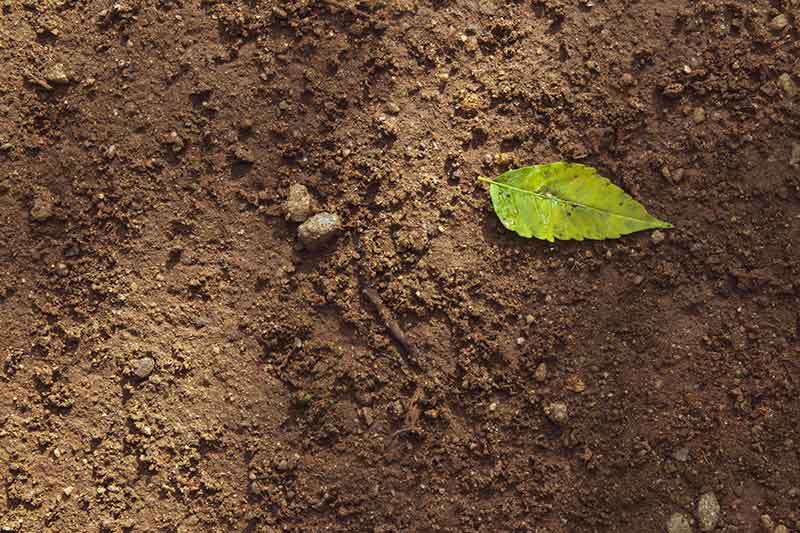
Older soil science focused on sand, silt, clay, and nutrients like NPK. Modern soil science adds the missing piece: biology. Biology is…

Climate change and water scarcity are no longer future risks; they are present realities that demand practical, system-level responses. This article explores…
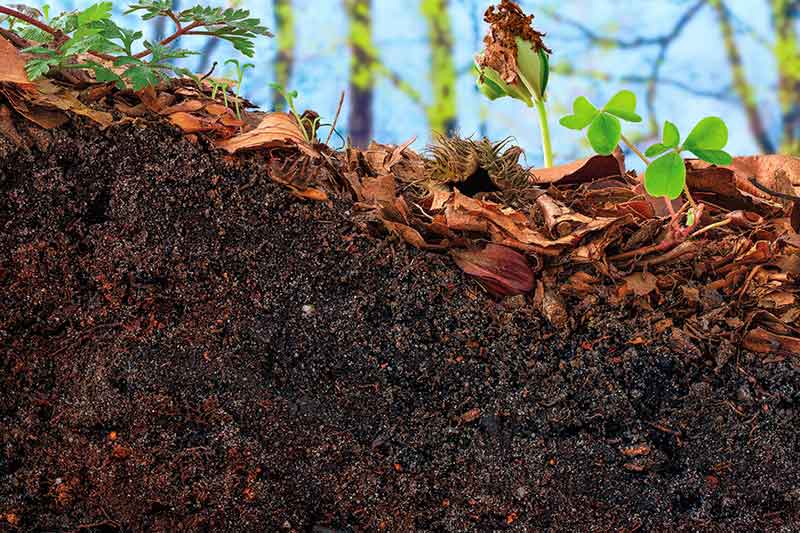
Capturing carbon in soil is often described as a simple fix for climate change and poor soils, but it is not that…

This article explains why Kyoto-style carbon rules have struggled, and why soil carbon needs a different approach. Colin Austin argues that soil…
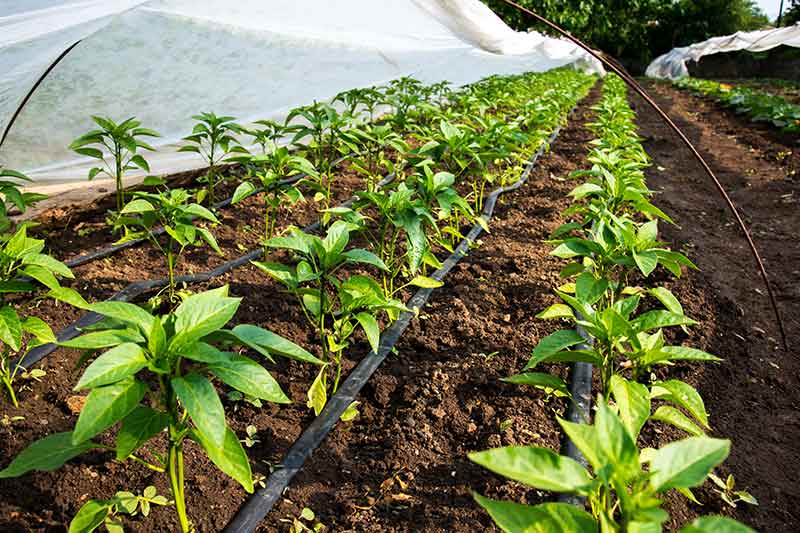
Microflood is a practical irrigation upgrade that turns traditional flood irrigation into a far more efficient system. It was recognised internationally with…
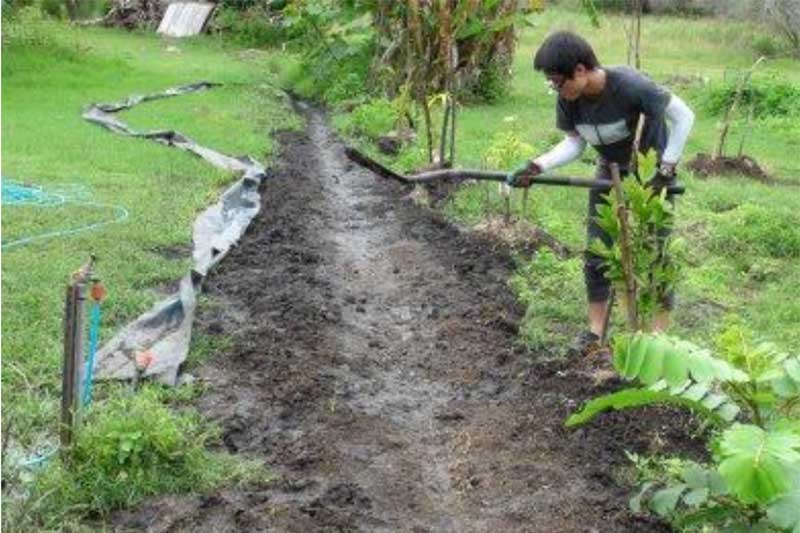
This article explores how improved flood irrigation and wicking-based systems can regenerate soil, reduce water loss, and restore soil biology under increasing…
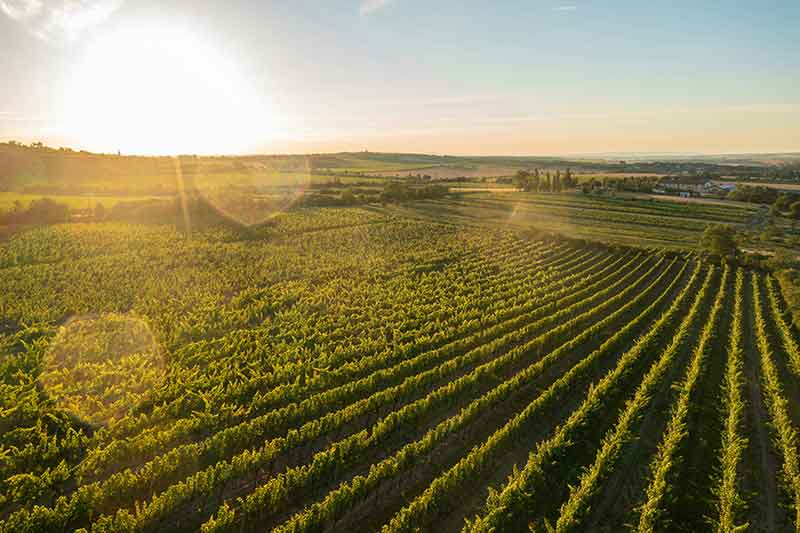
Anticipatory irrigation is a practical and commonsense way to use water better by working with rainfall, evaporation, and soil behaviour rather than…
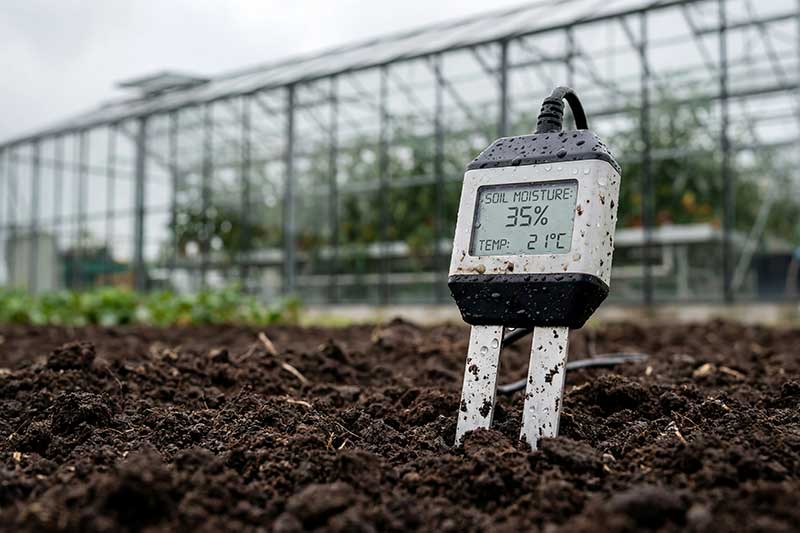
Good irrigation is not guesswork. It is about matching water supply to what your plants actually use, and what your soil can…

Healthy soil is the foundation of food, nutrition, and long-term resilience. Yet much of the world’s soil is being degraded faster than…

The WickiMix system is a practical soil management method designed for wicking beds, sponge beds, and conventional garden beds. By combining living…
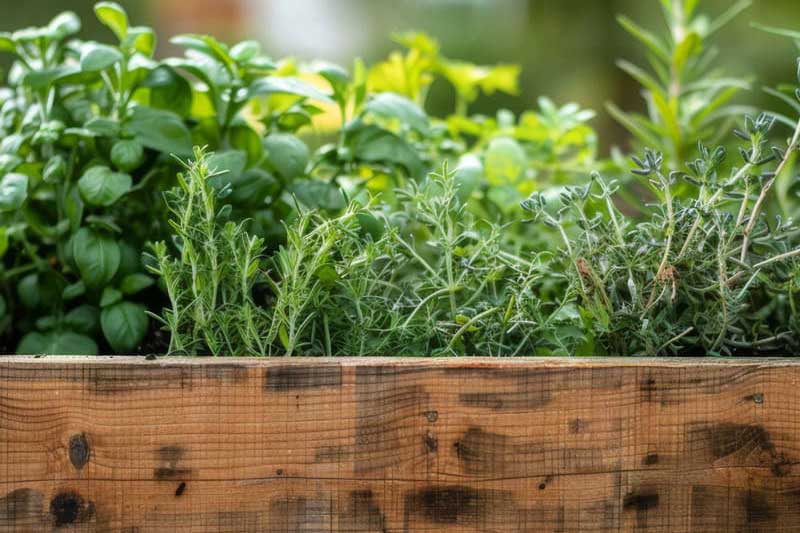
The Development of Wicking Beds through Soil and Water Systems This blog explains how wicking beds were developed and why they work…
Many people think wicking beds are just to save water; the most important feature however is creating a mini ecology with a…

Healthy Plants vs Plants That Make Us Healthy The most common question I am asked is about soils for wicking beds. That’s…

Soil biology is the key — my aim with WickiMix is to provide a concentrate and inoculant where people can create their…

Where to start regenerating soil? Well nature has been making soil for a few billion years so let us see what we…
Parent soils, such as clay, sands and potting mixes can be transformed into soils suitable for wicking beds. Here we start by…
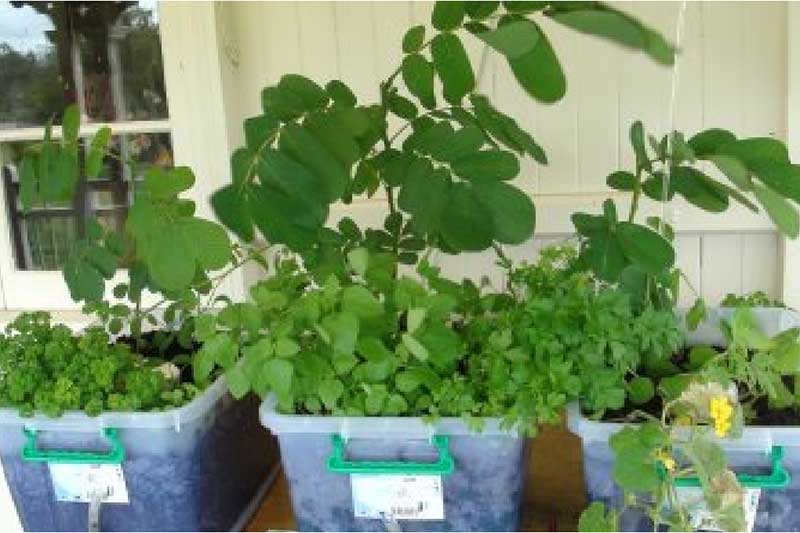
BioPack is a simple, practical way to rebuild tired or degraded soils by reintroducing the biology that creates fertile structure. Each BioPack…

Health starts in the soil
Every day we here stories of doom and gloom about food, price hikes from floods and droughts, problems with the supply chain from Covid, lack of nutrients and beneficial biota...
