Why Not Just Add Rock Dust?
The amount of micro-nutrients humans need is tiny—often just a few micrograms. Meanwhile the planet holds trillions of tonnes of volcanic rock rich in these minerals. So why not simply spread rock dust on soil?
We absolutely should, and rock dust is an important part of the Gbiota system. But it is not enough on its own. Rock dust minerals are insoluble, meaning plants cannot access them without help.
For billions of years, plants have used sunlight to make sugars, then exuded those sugars from their roots to feed soil microbes. These microbes break down rock particles into soluble forms the plant can use. The plants then convert these minerals into phytonutrients essential for human health.
This natural partnership has been “field-proven” for over a billion years.
Healthy Soil Needs Healthy Bugs
Growers using the Gbiota protocol add volcanic rock dust to supply essential minerals. But unless the soil contains an active microbial community, the plants cannot unlock those minerals.
Soil biology—bacteria, fungi and other microorganisms—breaks down mineral particles and converts them into soluble compounds. Plants absorb these, turning them into complex nutrients that humans can digest and utilise.
Our Bodies Need Good Bugs Too
Just as plants rely on soil microbes, humans rely on gut microbes to digest food, make nutrients available and support overall health.
These microbes protect us from harmful bacteria, regulate immune function, and help control appetite and cravings. When the gut senses nutrient deficiencies, it triggers hunger, pushing us to eat more in an attempt to obtain missing minerals and phytonutrients.
This is a major driver of the modern health crisis. We consume foods high in sugar and fat but low in essential nutrients, creating cycles of overeating without ever addressing the body’s real needs.
The Great Bug Battle
Everyone agrees that we need to manage harmful microbes—but the question is how.
Modern industrial agriculture relies heavily on toxic chemicals to kill pests and pathogens. It also depends on man-made soluble fertilisers rather than allowing soil biology to unlock minerals naturally.
Although this approach may seem logical, it has coincided with an explosion of chronic diseases such as diabetes, dementia, obesity and cardiovascular illness. One major reason is that chemically grown food lacks the rich nutrient and microbial life found in biologically active soil.
Chemicals may kill bad bugs, but they also destroy beneficial microbes that are essential for plant, soil and human health.
The Ecological Balance Principle
The Gbiota system focuses on achieving ecological balance—allowing beneficial microbes to outcompete harmful ones naturally.
The Growing Cabbage: Nature’s Example
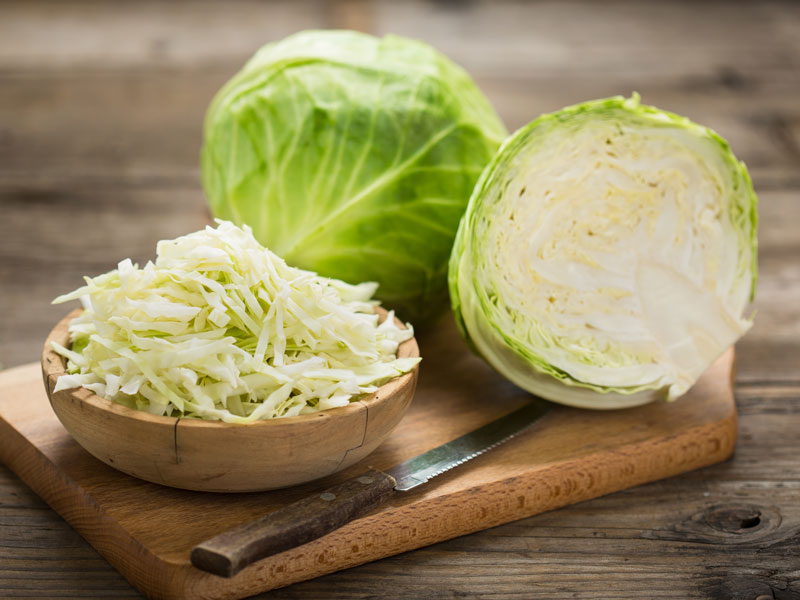
A cabbage growing in healthy soil is constantly exposed to harmful microbes. Yet it thrives, because beneficial microbes dominate around its roots and leaves, preventing bad bugs from taking over.
There will always be some harmful microbes present, but as long as the beneficial population is strong, the plant remains healthy.
The Gbiota bed system mirrors this natural process by regularly flooding the root zone with nutrient-rich, biologically active compost tea. This encourages a thriving microbial community capable of protecting the plant without the need for chemical pesticides.
Unlike conventional agriculture—which attempts to kill all microbes—Gbiota maintains a stable ecological balance. Some harmful organisms remain, but beneficial ones dominate.
Until society accepts the value of ecological balance over chemical extermination, we will continue facing epidemics of diet-related diseases.
The E. coli Lesson
People often fear E. coli, but almost everyone carries E. coli in their gut at all times without any problems. Harmful strains only cause issues when beneficial microbes become weakened.
Our gut constantly encounters harmful microbes through food and air. A thriving community of good microbes manages them effortlessly. Eliminating all microbes—good and bad—is impossible and unhealthy.
The Gbiota approach is to strengthen beneficial microbes so they naturally suppress harmful ones.
The Rotting Cabbage
Once a cabbage is harvested, it is cut off from its nutrient supply. Good microbes weaken, harmful microbes begin to dominate, and the cabbage starts to rot.
The faster we eat fresh produce, and the less we damage its natural microbes through over-cooking, the more beneficial microbial life we consume.
Fresh, biologically active vegetables are more than food—they act as a living probiotic system for our gut health.