
Gbiota bioboxes – the basics
The aim of the Gbiota technology is to replenish our gut with living beneficial biota and the food it needs to thrive.
Gut biota has a short life so it is important to eat plants while there are fresh, which means shortly after harvesting rather than they have not yet gone rotten – very different things.
People with a garden and the skills and the time can set up their own Gbiota beds and have fresh food every day but the Gbiota Biota box system allows almost everyone to have the health benefits of genuinely fresh food with the beneficial biota.
The key is in the soil. A grower, either a professional grower or friendly neighbourhood home grower can set up an in ground Gbiota bed to grow the soil. This requires organic material, minerals, inoculants and most important careful control of the moisture level.
The beneficial biota will simply not grow and out compete the harmful biota if the soil is either too wet or too dry.
 This Goldilocks moisture level is achieved using the principle of partial flood and drain using a leaky dam.
Gbiota bioboxes are an extension of Wicking Beds with a few extra tweaks.
As in a Wicking Bed the bed is watered from underneath by a pipe which has to pass over a leaky dam. This floods the base of the bed to the height of the leaky dam. Any excess water simply returns back to the water reservoir so the bed is never flooded.
 Water wicks up from the flooded base to dampen the rest of the bed.
But after a period the water leaks out through the leaky dam and back into the reservoir for the next pulse.
The bed is initially loaded with selected organic material where the beneficial biota can breed, but this needs to be continuously replaced.
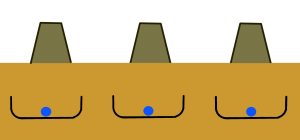 Bins are placed on the surface and filled with organic material, manure and minerals. Water is regularly flushed through the bins creating a compost tea which soaks through the soil and eventually ends up in the reservoir for recycling.
The water, or rather compost tea, in the beds is always moving and never becomes stagnant which will lead to the harmful biota breeding in the compost tea going putrid.
These beds can be used for growing edible plants but their prime purpose is to grow the soil to go into the Gbiota Bioboxes.
These work on the same principles as the in ground beds with a drain pipe to regulate the maximum height of the water. But instead of having a leaky dam there is an a restricted outlet so there is never any stagnant water.
 The Gbiota Bioboxes only need watering and topping up the compost reservoirs so can be supplied to people who don’t have a garden, time or skills for gardening but can still benefit from be able to eat plants, full of living biota and essential minerals, which can be picked and eaten without the normal inevitable delays in the normal food distribution system.
While the obvious focus is on gut health, this is an extremely economic way of providing food without the normal costs in distribution and marketing and is a convenient way of recycling food waste which would otherwise end up in land fill contributing to green house gases.
At this moment we are setting up groups of consumers and growers but while we are setting these up you can put your name on a waiting list will will accelerate the establishment of groups in your area.



It’s all great until your box of Broccoli seeds suddenly decides that only 25 are going to sprout! What happened, I have no idea. Unless the Silver Eyes, a small finch in our area, decided to have a feast at my expense but I doubt that because they cleaned out the box too thoroughly for an animal. Most likely something I did wrong with the soil prep. Can you have too much of a good thing like composted cow manure or blood and bone? Even that was only a couple of handfuls per box. Baffled and annoyed. Mostly because I got an infection in my toe at the same time and have to wait a week for the next box to sprout.
Any growers in the Maryborough area?