Conditional Truth
My interest is in how food is grown, and it matters a great deal. False information can make us sick and die young, while sound information can keep us healthy into old age.
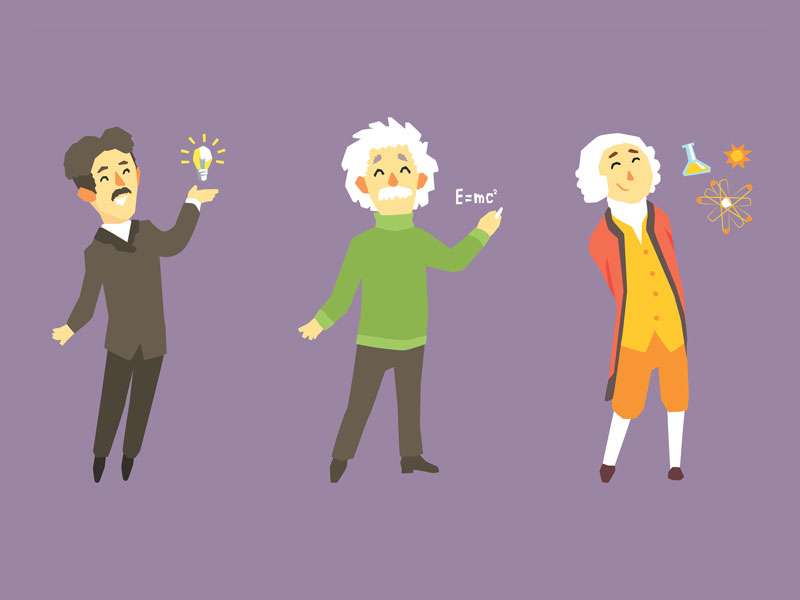
I was brought up in the world of Newtonian laws — I was taught they were absolute truths. Then along came Einstein with a new set of laws. But they did not replace the Newtonian laws; they showed they were conditional. Newton’s laws work well under certain conditions, but not as absolute truth — yet they remain incredibly useful.
The same is true with food. We may be told bacon and eggs are bad for us, yet we all know someone’s Uncle Joe who ate bacon every day, lived into his late nineties, and stayed active and healthy.
So instead of searching for absolute truths, we should look for what is useful — what keeps us fit and healthy.
I have always had a terrible memory, but I learned early that if I really understood the underlying principles, I didn’t need to remember endless isolated facts. So my interest is in discovering the core principles that actually work.
But before that — we need to talk about how our brains deal with information.
Managing the Information Overload
We are bombarded with information — far more than we can analyse. Evolution has provided us a solution: mental pictures. Call it dogma, belief, habit, culture — I call it a mental picture.
These mental pictures shape how we act. From how we hold our knife and fork, to political beliefs, to religion, to whether we think bacon is good or bad.
They are deeply embedded and very difficult to change. In fact, we become skilled at defending them.
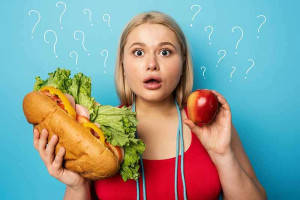
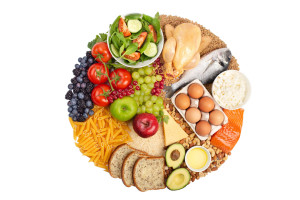
For example, the mental picture that “fat is bad.” If respected experts repeat it often enough, we accept it. Yet we now know certain vitamins are fat-soluble — without the right fats, the body simply cannot access them. Worse, excess salt (sodium) can block access to essential minerals like potassium and magnesium.
This is like Einstein showing us Newton’s laws were conditionally true.
Yes — we need vitamins and minerals. But taking large doses of supplements is not automatically beneficial. We need balance, and we need the right fats so the body can actually use those nutrients.
Nowhere is conditional truth more misunderstood than in the advice:
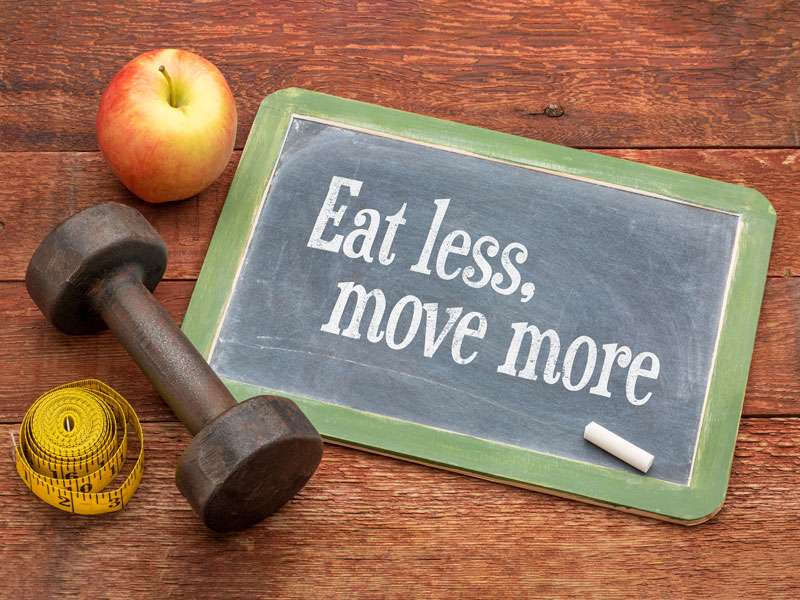
“Eat Less and Move More”
We know one well-established fact: fat stored in the wrong places is harmful. Pre-diabetes occurs when fat builds up and the body becomes insulin resistant — but many people remain healthy at this stage. The serious damage comes when fat infiltrates the liver and pancreas, leading to diabetes.
The standard advice is to eat less and exercise more. And sometimes, this works. Extreme diets can force the body to burn stored fat.
But this is only conditionally true.
Some people are overweight yet remain healthy. Others follow strict diets only to rebound, becoming even heavier — as though the body “remembers” starvation and stores more fat to guard against it.
It’s not that “eat less and exercise more” is wrong — but it is a conditional truth.
Throughout these pages runs a consistent theme: our bodies are controlled by an intelligent control system, of which our gut microbiome is an integral part.
How do we know this for certain?
We don’t — not yet. We know the hormones involved, but hormones are only messengers. The decision-making logic remains mysterious.
So instead, I ask two questions:
- Does it fit the known facts?
- Is it useful?